Highlights from the Northeast Nigeria “Environmental Justice and Human Rights Bootcamp”
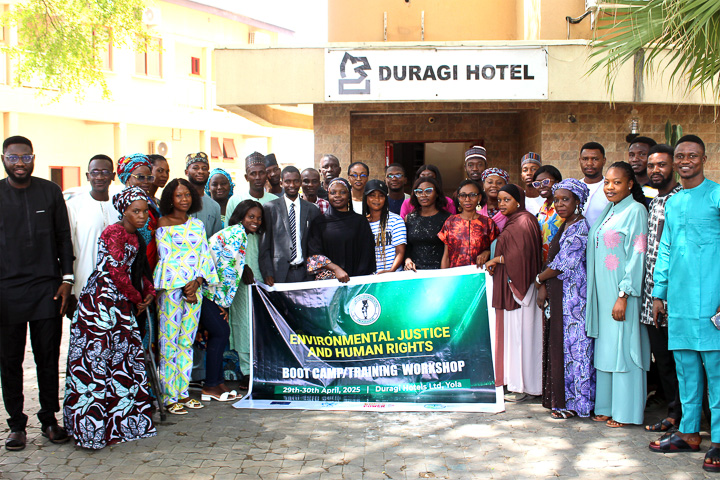
From April 29th to 30th, 2025, Women Environmental Programme (WEP), hosted the Environmental Justice and Human Rights Bootcamp in Yola, Adamawa State as part of activities under the Women Power 2030: Feminists Accelerate Action for Sustainable Development project.
The bootcamp aimed to deepen participants’ understanding of the critical connection between environmental degradation and human rights, particularly as it affects vulnerable communities.
It served as a platform to encourage greater participation of women, youth, and grassroots actors in environmental governance and policy engagement across the region, and also equipped participants with practical tools, knowledge, and advocacy strategies to strengthen their organisations’ capacity to advance gender-responsive climate action and sustainable development.
The two-day workshop brought together 41 representatives from civil society organisations across the six states of Northeast Nigeria. It created a dynamic space for learning, collaboration, and dialogue, with a strong focus on the connection between environmental degradation and human rights especially within vulnerable and under-served communities. It aimed to empower participants with tools, strategies, and knowledge to promote inclusive environmental governance, gender equality, and sustainable development across the region.
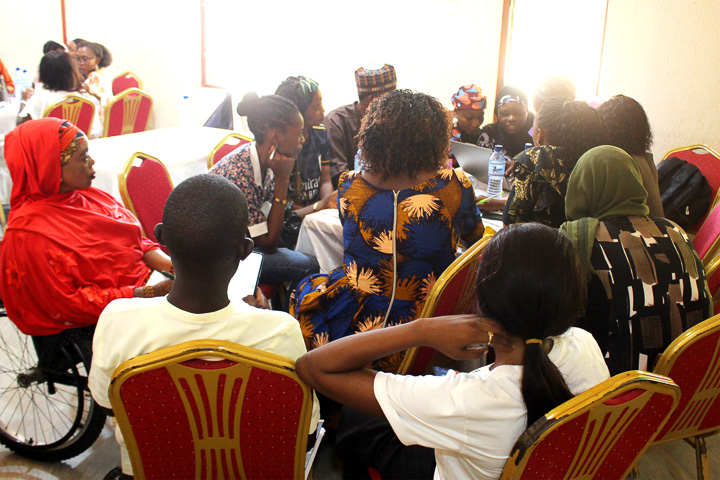
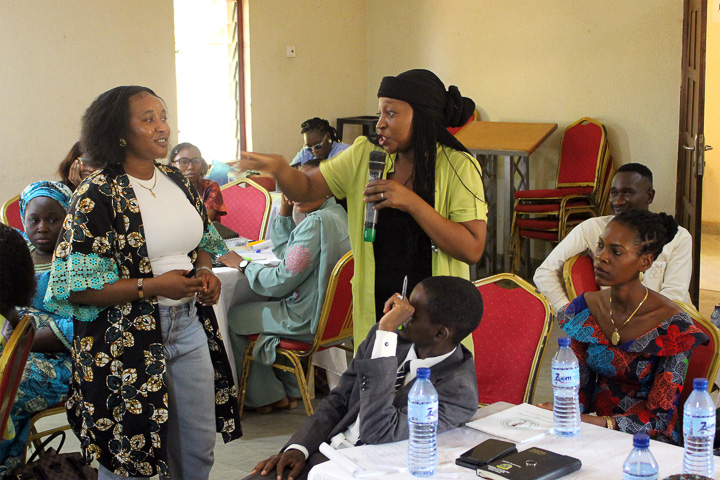
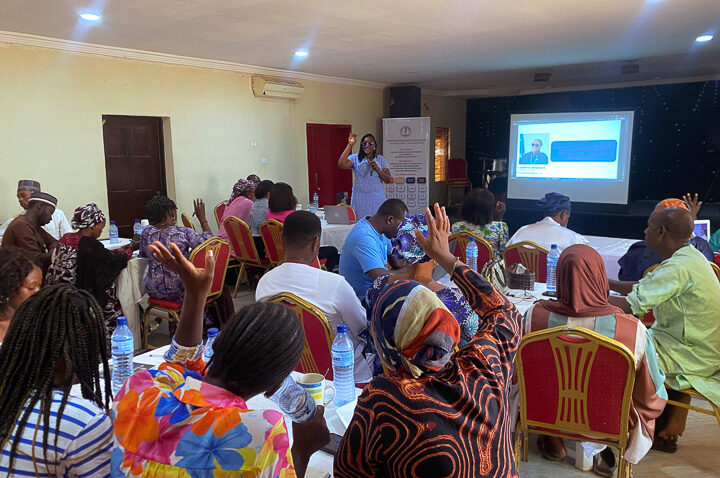
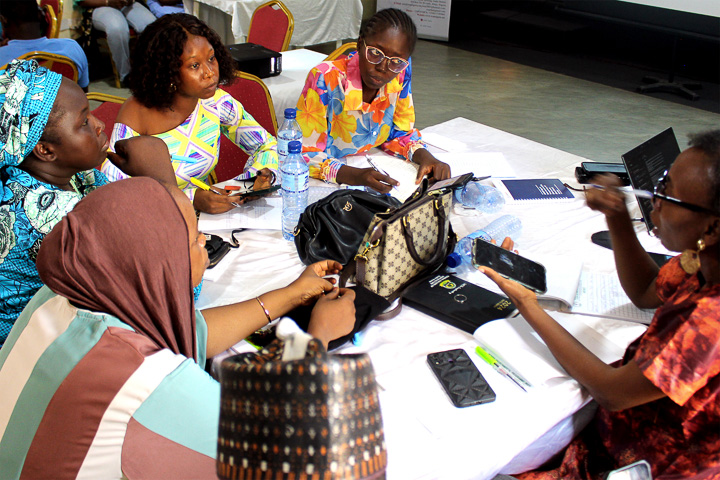
Over the course of two days, participants engaged in a series of sessions exploring the relationship between environmental justice and human rights. The sessions highlighted how environmental challenges often go hand in hand with social inequalities, and how addressing one requires action on the other.
Participants examined the critical role of gender equality in sustainable development, the importance of inclusive decision-making, and how fair access to natural resources strengthens community resilience. They also explored practical tools for advocacy, communication, and behavioural change, with a focus on encouraging community participation and influencing policy.
The bootcamp also introduced global and national environmental frameworks, helping participants understand how international agreements and national policies can guide local action.
In addition to theoretical learning, the bootcamp included group exercises and scenario-based activities, allowing participants to apply their knowledge to real-world challenges such as water scarcity, pollution, and deforestation. These hands-on sessions deepened understanding, encouraged collaboration, and fostered critical thinking and problem-solving.
Results from participants post-assessments showed significant improvements in their understanding of core themes such as environmental justice, gender and development, climate change, and the role of civil society in promoting inclusive governance.
Participants demonstrated a clearer grasp of advocacy techniques and were better able to identify practical strategies for driving change within their organisations and communities. The assessments also reflected increased confidence in applying gender-sensitive approaches to environmental and development work.
The bootcamp brought together a diverse group of male and female participants including persons with disabilities from Adamawa, Borno, Yobe, Bauchi, Taraba, and Gombe states. This diversity enriched the conversations and contributed to a more inclusive and meaningful exchange of ideas.
The bootcamp concluded with a reaffirmed commitment to advancing environmental justice and human rights in Northeast Nigeria. Participants left empowered to apply what they had learned and act as change agents within their communities and organisations.
WEP remains committed to supporting these efforts and fostering a community of advocates working toward a just, inclusive, and sustainable future for all.
The environmental Justice and Human Rights Bootcamp is an activity under the WomenPower2030: Feminist Accelerate Action for Sustainable Development, a project funded by the European Commission and implemented by a consortium of feminist organizations, led by WECF International.