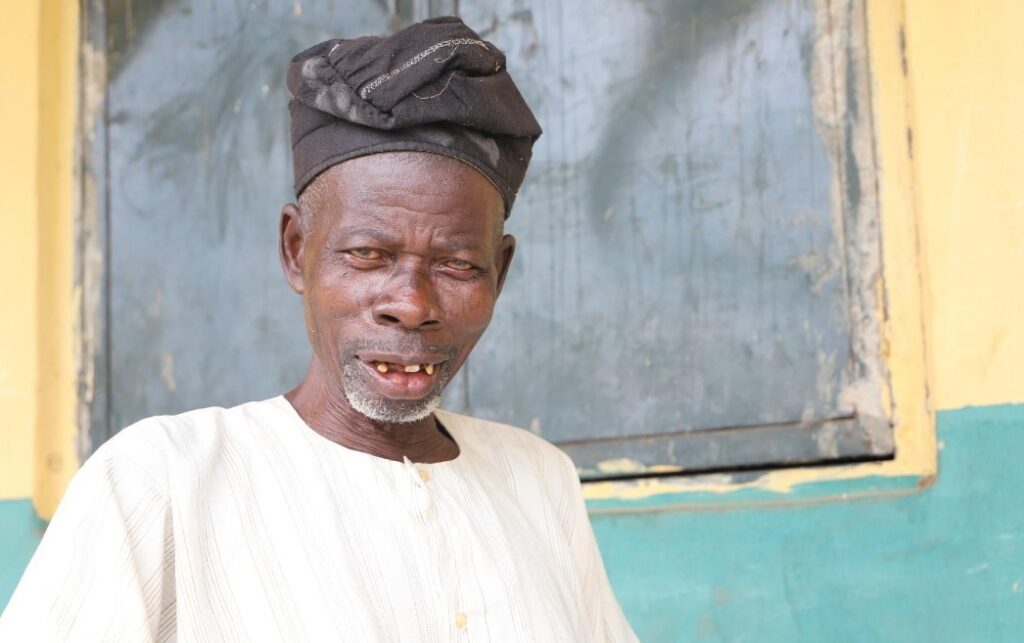
From Knowledge to Action: How Sadiku Otaru Became a Forest Defender in Kogi State
When Sadiku Otaru, a ward lead in Kogi State, first joined the training sessions under the Green Livelihoods Alliance (GLA2) Project, he did not imagine how quickly the knowledge would transform his role in the community. The project, implemented by the Women Environmental Programme (WEP) in partnership with the Chachavivi Women and Girl Child Development Foundation, opened his eyes to the power of informed advocacy and collective action.
Armed with fresh understanding about the importance of forests and the dangers of unchecked deforestation, Sadiku took a bold step. He initiated and facilitated a courtesy visit to the Commissioner of Environment, Kogi State, an act that would change the story of his community’s forest forever.
That visit bore immediate fruit. The commissioner responded by assigning forest guards to secure the woodlands surrounding Sadiku’s community. For years, intruders had cut down trees indiscriminately, leaving the ecosystem vulnerable and the community exposed to erosion, flooding, and loss of biodiversity. Today, those forests are better protected, and the people can already sense a shift towards sustainability.
With a smile lighting up his face, Sadiku explained that he now feels empowered with knowledge and confidence; knowledge that allows him to engage duty bearers directly and hold them accountable. For him, the training was not just about learning; it was about unlocking his voice and agency as a community leader.
“I now know how to call those in authority to action,” he said proudly. “Before, I would not have thought it possible. But today, I can speak up, and I can see the results.”
Sadiku’s story is a powerful reminder of how capacity building and knowledge transfer can spark change, turning ordinary community members into champions for the environment. His journey from learner to forest defender highlights the impact of partnerships like GLA2, WEP, and Chachavivi, who continue to support communities in safeguarding their natural resources for future generations.