From Consultation to Co-Creation: Why Africa’s Energy Transition Must Put Women and Persons with Disabilities at the Centre
New York, 13 July 2026
As Africa accelerates its shift toward clean energy, a critical question is gaining urgency: who gets to shape the continent’s energy future?
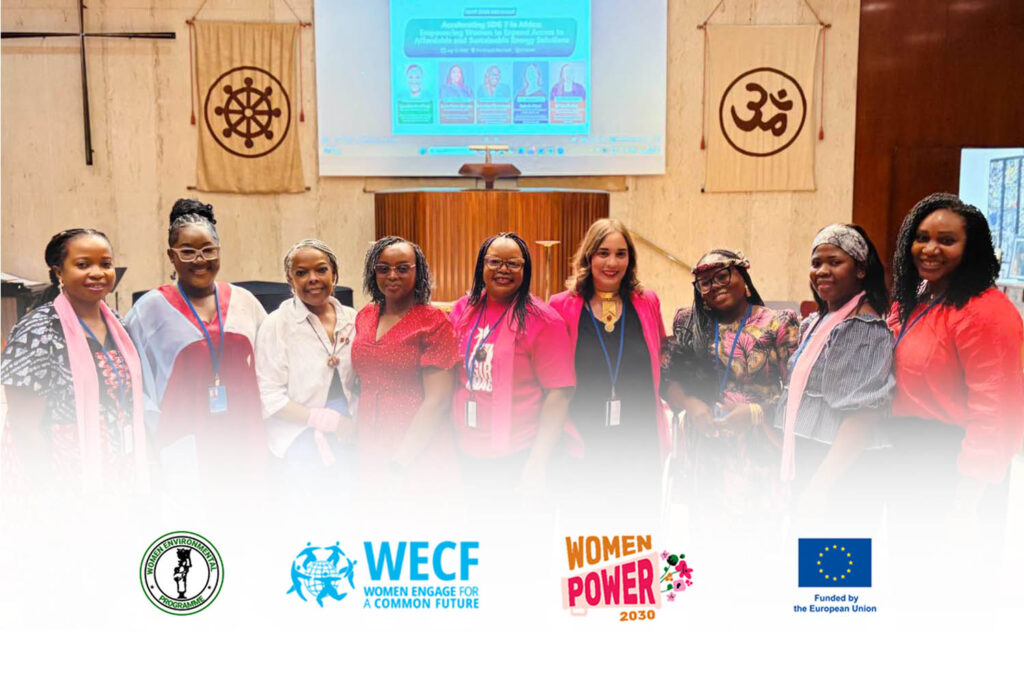
For decades, discussions around energy access have focused largely on infrastructure, investment and technology. But at a side event hosted by Women Environmental Programme (WEP) during the 2026 United Nations High-Level Political Forum (HLPF) in New York, participants argued that the success of Africa’s energy transition will ultimately depend on something much deeper: inclusion.
Bringing together government representatives, development partners, civil society organisations, climate finance experts and grassroots advocates from across Africa, the dialogue focused on ensuring that women, persons with disabilities and other historically excluded groups are not merely beneficiaries of the energy transition, but active architects of it. The event attracted 21 participants in person and 22 online and centred on a simple but powerful premise: a transition cannot be considered just if those most affected by energy policies are only invited into the conversation after decisions have already been made.
During the discussion, participants highlighted a persistent gap between policy ambition and lived reality. While many African countries have embraced energy transition frameworks and climate commitments, disability inclusion remains largely absent from policy design and implementation. Persons with disabilities are often consulted late in the process, if at all, limiting their ability to influence outcomes that directly affect their lives.
Speakers argued that inclusion should not be treated as a box-ticking exercise. Instead, energy policies should be developed “for, with and by” persons with disabilities. Their participation, they insisted, must extend across the entire policy cycle, from agenda-setting and planning to implementation, monitoring and evaluation. Meaningful inclusion also requires adequate resources, transparent accountability mechanisms and the collection of disaggregated data capable of revealing who benefits and who continues to be left behind.
The conversation also turned to the barriers that continue to hinder women’s participation in the clean energy economy. Access to finance remains one of the most significant challenges. Across many African contexts, women often lack the land titles, property ownership or other forms of collateral required to secure loans, forcing them to rely on male relatives or spouses to access capital. Such conditions limit not only economic independence but also women’s ability to invest in renewable energy solutions and energy-related enterprises.
Participants noted that the problem extends beyond finance. Women remain underrepresented in the spaces where energy policies are conceived and negotiated. As a result, policies frequently fail to reflect the realities of households and communities where women bear a disproportionate responsibility for managing energy needs. Technical innovations developed by women are often overlooked, while clean energy technologies sometimes remain out of reach because they are introduced without sufficient consideration of local realities and affordability.
A participant pointed to the example of clean cookstoves. While designed to improve health outcomes and reduce environmental degradation, such technologies often struggle to gain traction when communities cannot afford them. In those circumstances, families predictably return to traditional energy sources such as firewood, regardless of the environmental consequences. The lesson, participants agreed, is that expanding access to energy alone is not enough. Women must also have access to the finance, skills, technology and decision-making power necessary to shape the transition itself.
The discussion also examined a long-standing frustration among grassroots organisations: the disconnect between international climate finance commitments and resources reaching communities on the ground. Despite ambitious pledges made through global climate negotiations, women-led and feminist organisations across Africa continue to face significant barriers to accessing funding. Climate finance mechanisms remain highly centralised, often favouring larger institutions while local organisations struggle to secure support for community-driven initiatives.
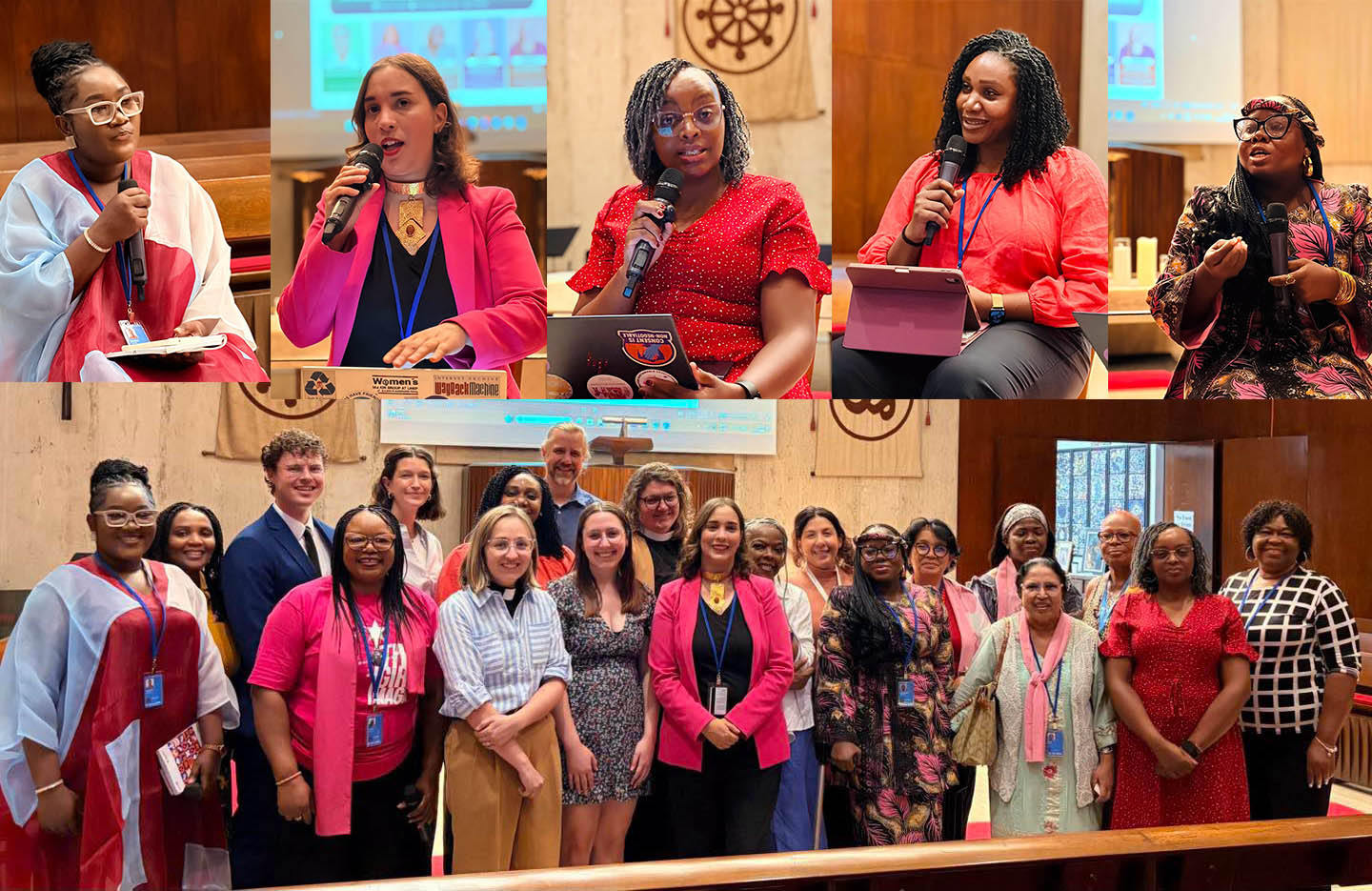
Participants called for financing systems that are more transparent, decentralised and accessible. They advocated greater direct investment in women-led organisations, stronger oversight of funding flows and deeper collaboration among governments, development institutions, donors and civil society. Several speakers stressed that climate finance should be understood not as charity but as climate justice. Communities most affected by climate change and energy poverty, despite contributing the least to global emissions, should have equitable access to the resources necessary to build resilience and pursue sustainable development.
Perhaps the most striking aspect of the conversation was the challenge to prevailing narratives that portray women primarily as beneficiaries of development interventions. Participants emphasised that women across Africa are already leading transformative work in renewable energy and community development. From women-led energy cooperatives providing locally managed solar power to women trained as solar installation technicians in Zanzibar and savings groups supporting renewable energy investments in Nigeria, examples of female leadership are becoming increasingly visible across the continent.
The challenge, speakers argued, is not a lack of capacity but a lack of opportunity. Expanding women’s leadership in the renewable energy sector will require deliberate investments in mentorship, technical training, networking opportunities, evidence-based advocacy and gender-responsive financing. It will also require creating pathways that allow women to influence decisions at every level, from local communities to national legislatures.
Running through all the discussions was a call for a fundamental shift in how development decisions are made. Too often, communities are invited into consultations only after priorities have been determined, budgets allocated and solutions designed. Participants argued that genuine inclusion demands something more ambitious: co-creation.
Rather than asking people to react to predetermined plans, governments, donors, financial institutions and development actors should involve women, persons with disabilities and affected communities from the outset. This approach not only produces more equitable outcomes but also leads to solutions that are more responsive, sustainable and grounded in lived realities.
The conversation also urged policymakers to move beyond broad labels such as “the marginalised.” Women with disabilities, young women, Indigenous communities and other groups face distinct challenges and require tailored responses. Effective energy policies, participants argued, must recognise these differences and be informed by disaggregated data and intersectional approaches.
As the world enters the final years of the 2030 Agenda, the message from the WEP side event was unmistakable. Africa’s energy transition cannot be measured solely by the number of solar panels installed, megawatts generated or households connected to electricity. Its success must also be judged by who participates in shaping the transition, who gains access to its benefits and whether those historically excluded are finally given a seat at the table.
For WEP, the event served as a reminder that climate justice, gender equality and disability inclusion are not separate conversations. They are inseparable elements of a truly just energy future.
The challenge now is to move beyond dialogue and translate commitments into action. Because Africa’s transition to clean energy is not only about how fast the continent moves forward. It is also about ensuring that no one is left behind as it does.
Watch the HLPF 2026 Side Event