WEP’s Participation in the 2025 UN High-Level Political Forum (HLPF) in New York
Women Environmental Programme (WEP) team attended the United Nations’ annual High-Level Political Forum (HLPF), which took place from July 14 to July 23, 2025, at the UN Headquarters in New York. This year’s HLPF was centered on the theme, “Advancing sustainable, inclusive, science- and evidence-based solutions for the 2030 Agenda… leaving no one behind,” and featured in-depth reviews of Sustainable Development Goals (SDGs) 3, 5, 8, 14, and 17. Global experts shared lessons and integrated strategies to help drive sustainable development and equity.
On the sidelines of the HLPF, the WEP team actively participated in the side event titled “Spearheading SDG 5: From Stagnation to Implementation, Acceleration & Transformation.” This event was organized by the WomenPower2030 coalition, comprising WECF International, APWLD, FEIM, FEMNET, and WEP, with support from the ARGO Network, the Women’s Major Group, and the Feminist Action for Climate Justice Coalition, in partnership with UN Women and with funding from the European Union. The event marked nearly 30 years since the adoption of the Beijing Platform for Action and ten years since the launch of the SDGs. It highlighted the persistent stagnation in achieving SDG 5 on gender equality and acknowledged rising global threats including deepening inequality, increasing authoritarian pushback against women’s rights, and growing resistance to feminist progress.
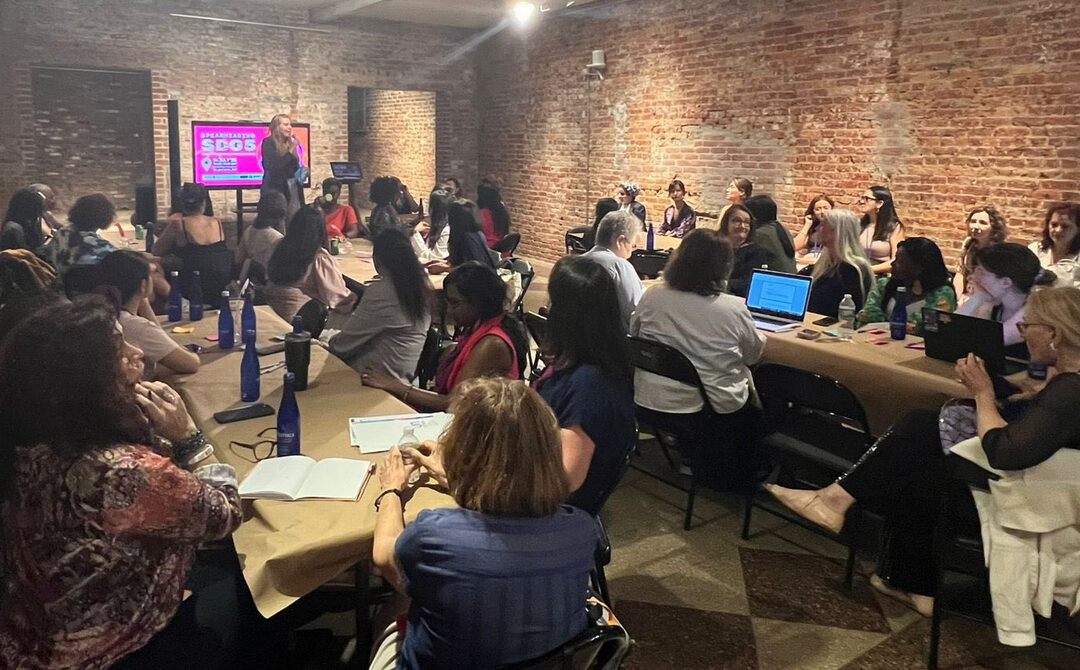
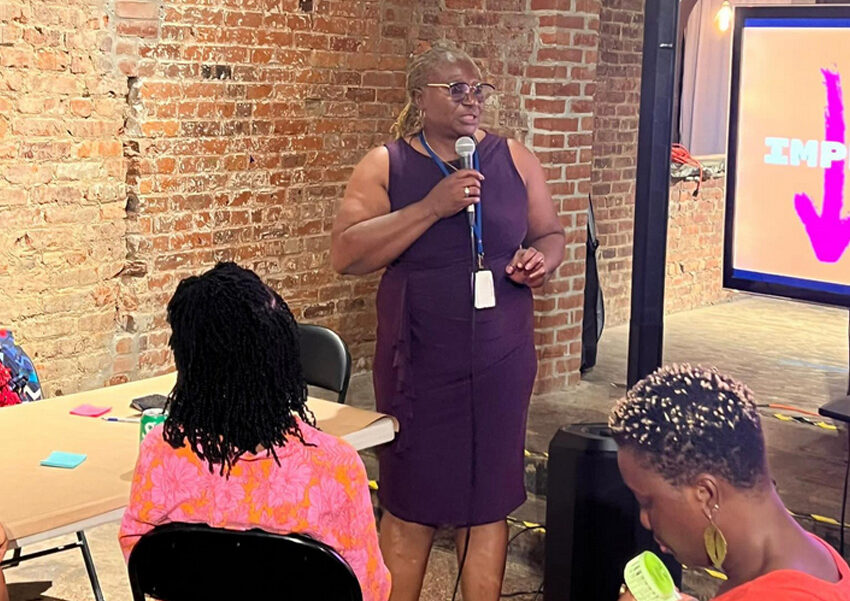
The discussion focused on identifying ways to transition from stagnation to meaningful implementation, acceleration, and transformation in advancing gender equality. Participants noted key barriers to implementation such as the lack of political will, weak accountability mechanisms, and inadequate funding and institutional capacity for grassroots feminist and women’s rights organizations. To accelerate progress, the event emphasized the need to increase support and resourcing for feminist movements, share context-specific best practices, and build stronger collaboration across sectors. The event concluded with a call for transformative change by pushing systemic reforms that address patriarchal social norms, eliminate discriminatory laws, and dismantle structural gender biases. It urged stakeholders to move beyond superficial policy tweaks and confront the power imbalances deeply embedded in institutions and societal culture.
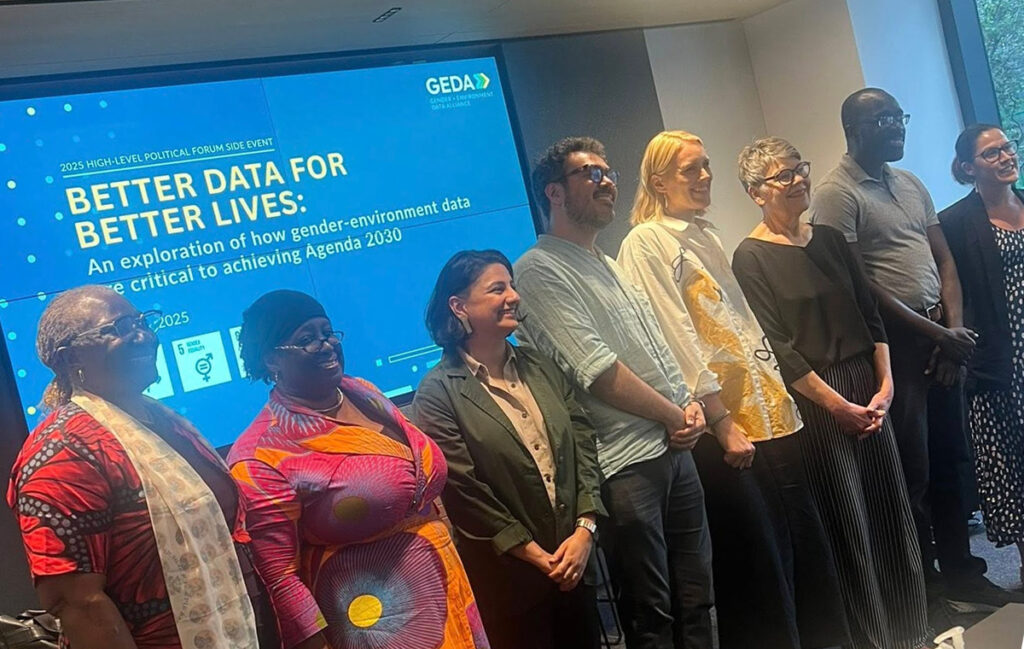
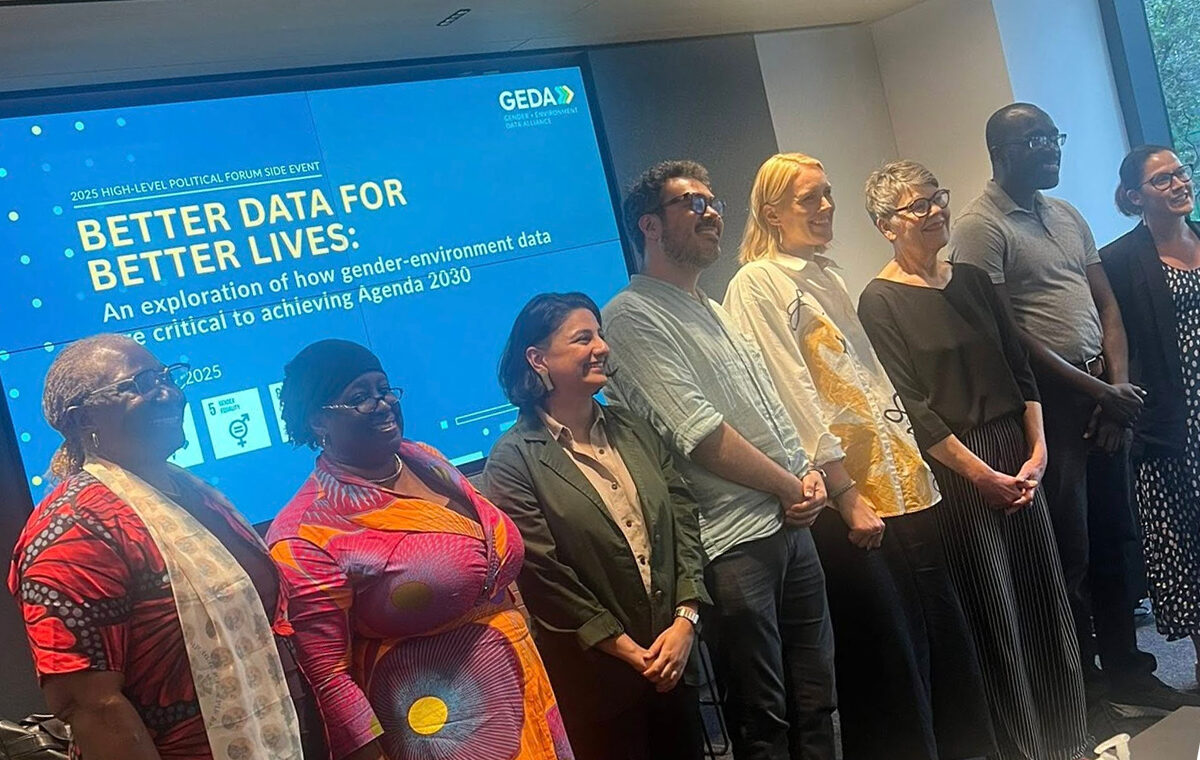
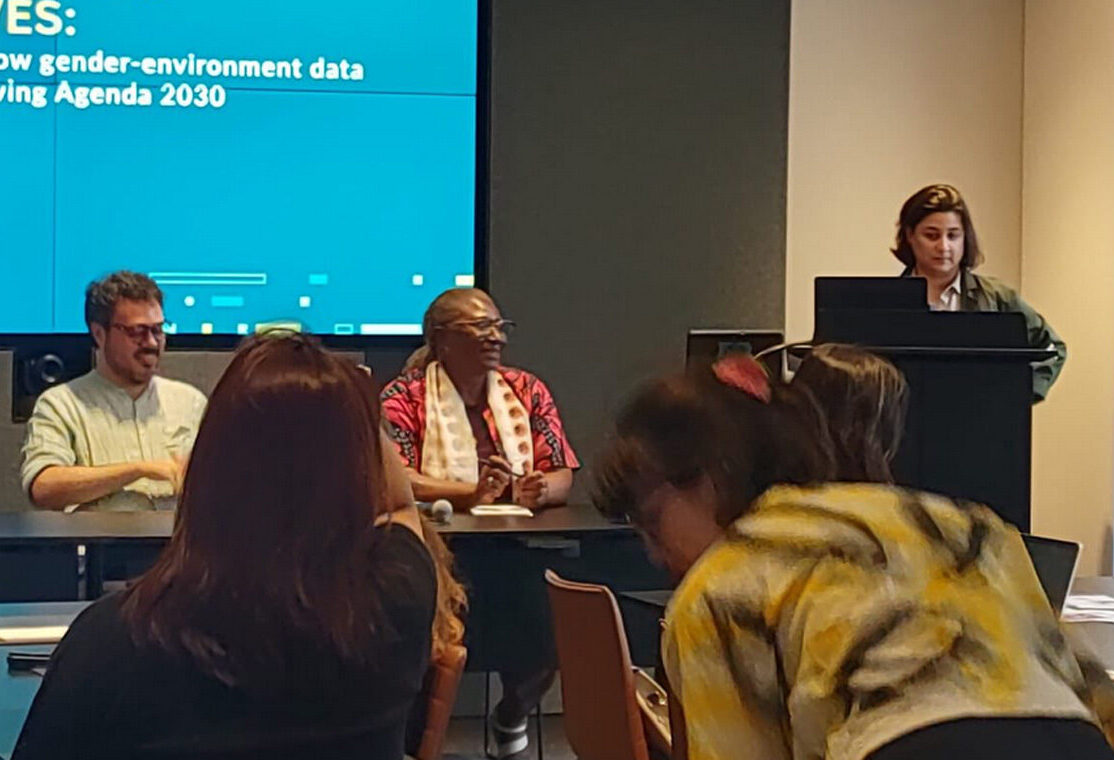
Additionally, WEP joined the Gender and Environment Data Alliance (GEDA) side event, “Better Data for Better Lives: How Gender–Environment Data Are Critical to Agenda 2030.” The session showcased participatory, community-driven data collection methods from the Global South and highlighted grassroots strategies in data use. It emphasized the need for evidence-based policymaking, multilateral reforms, and integrated approaches to SDG implementation, reinforcing the role of civil society in promoting accountability and accelerating progress.