STRENGTHENING CAPACITIES OF EMERGING WOMEN LEADERS IN THE ECOWAS REGION TO EFFECTIVELY RESPOND TO CLIMATE-INDUCED HUMAN MOBILITY
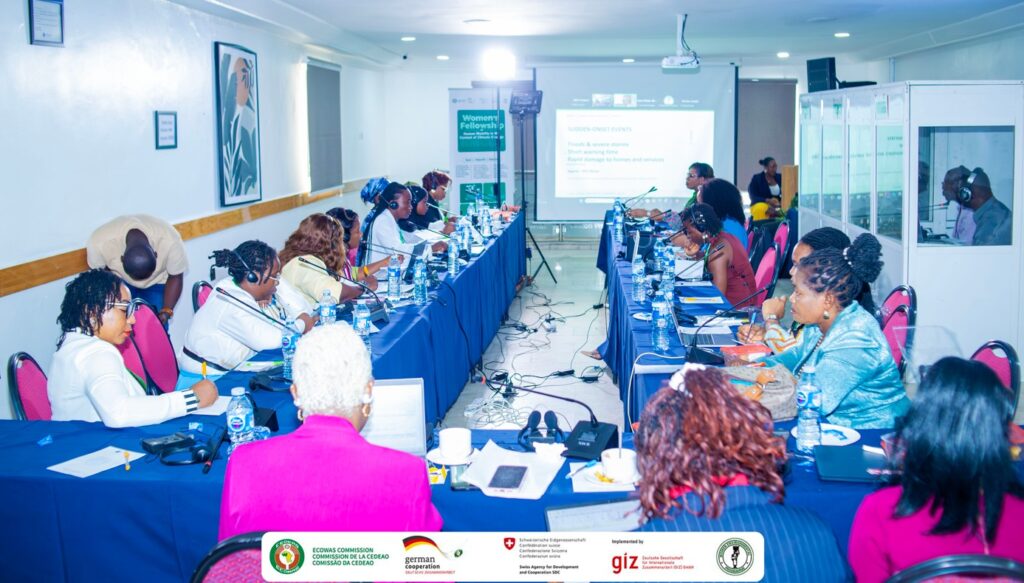
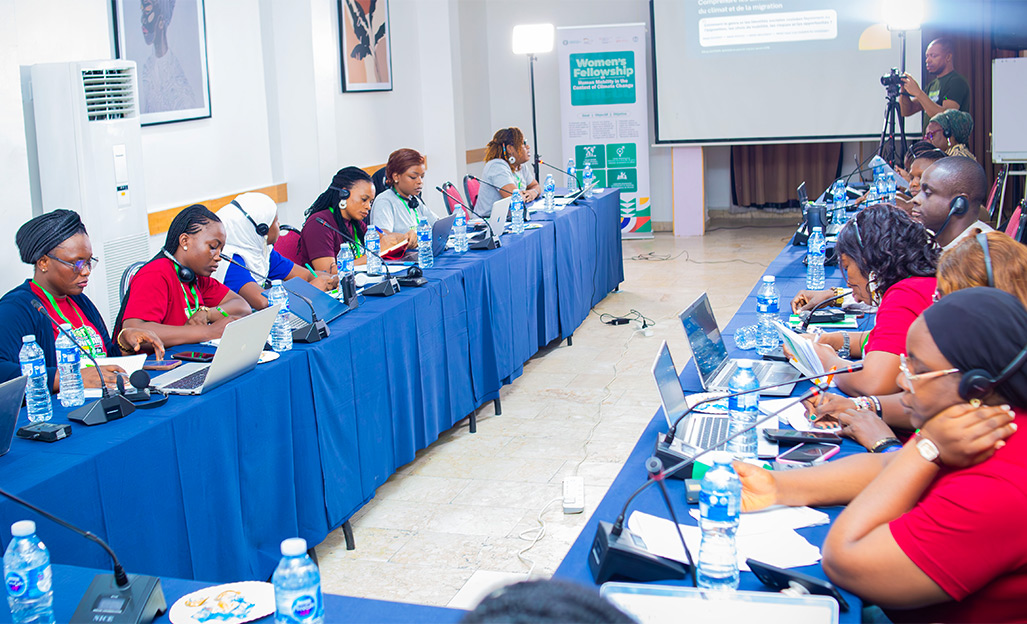
The Women Environmental Programme (WEP), in partnership with the Deutsche Gesellschaft für Internationale Zusammenarbeit (GIZ), convened a three-day capacity-building workshop from 31 August to 2 September 2026 as part of the Women’s Fellowship on Human Mobility in the Context of Climate Change (HMCCC). The workshop formed part of a six-month regional fellowship designed to strengthen the capacity of emerging women leaders across the ECOWAS region to understand, advocate for, and contribute to gender-responsive responses to climate-induced human mobility.
The fellowship is being implemented under the GIZ-led Global Programme on Human Mobility in the Context of Climate Change (GP HMCCC) II, with ECOWAS serving as the political partner.
The focus of the three-day capacity-building workshop was particularly relevant to West Africa, where climate variability, environmental degradation, disasters, livelihood pressures, and conflict interact with existing patterns of migration and displacement. This is corroborated by the International Organization for Migration (2024) in its World Migration Report 2026: Climate Change and Migration: Understanding the Context, which notes that“human mobility in the region is highly complex, and climate and environmental factors increasingly interact with other drivers of mobility.”
The three-day workshop followed a progressive learning structure, moving from understanding climate mobility to policy and advocacy, and finally to leadership and community-level action.
Day One established the conceptual foundation. Participants were introduced to climate mobility and its drivers in West Africa, the vulnerabilities associated with climate mobility, and existing regional responses. The sessions also examined the gender dimensions of climate change and migration.
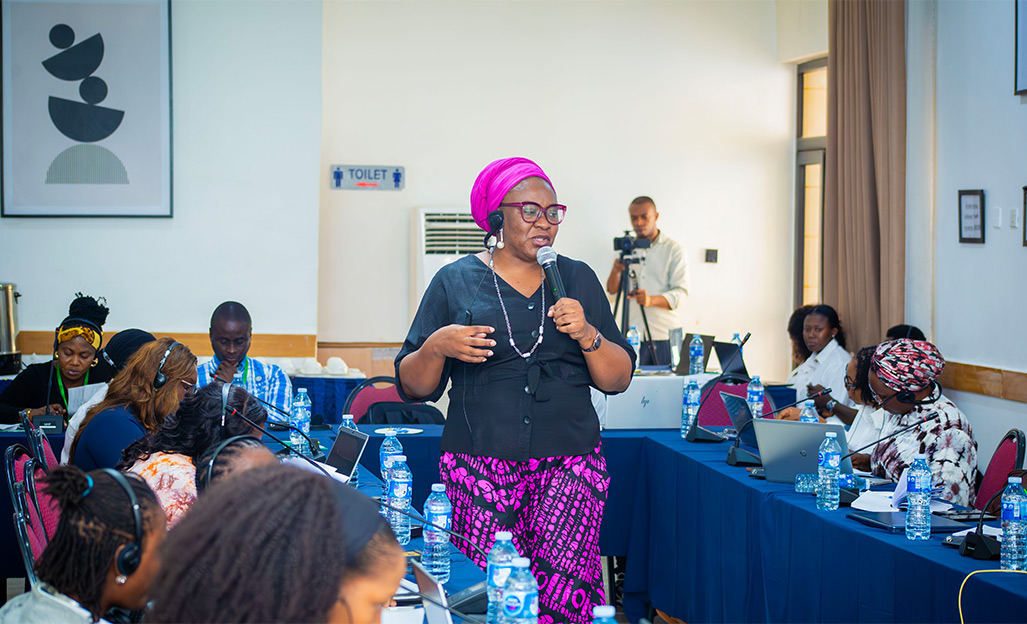
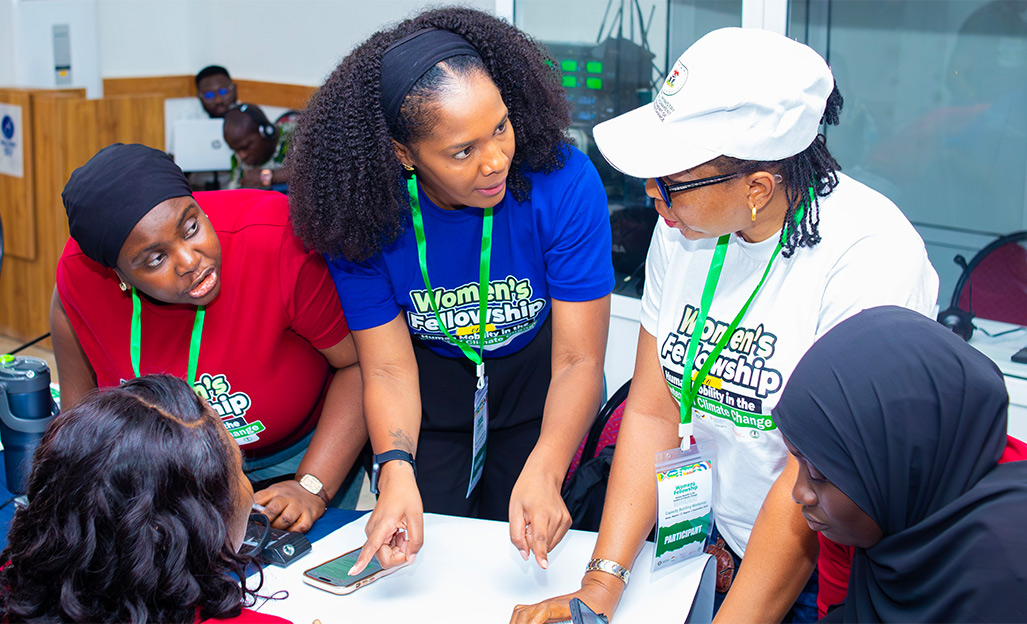
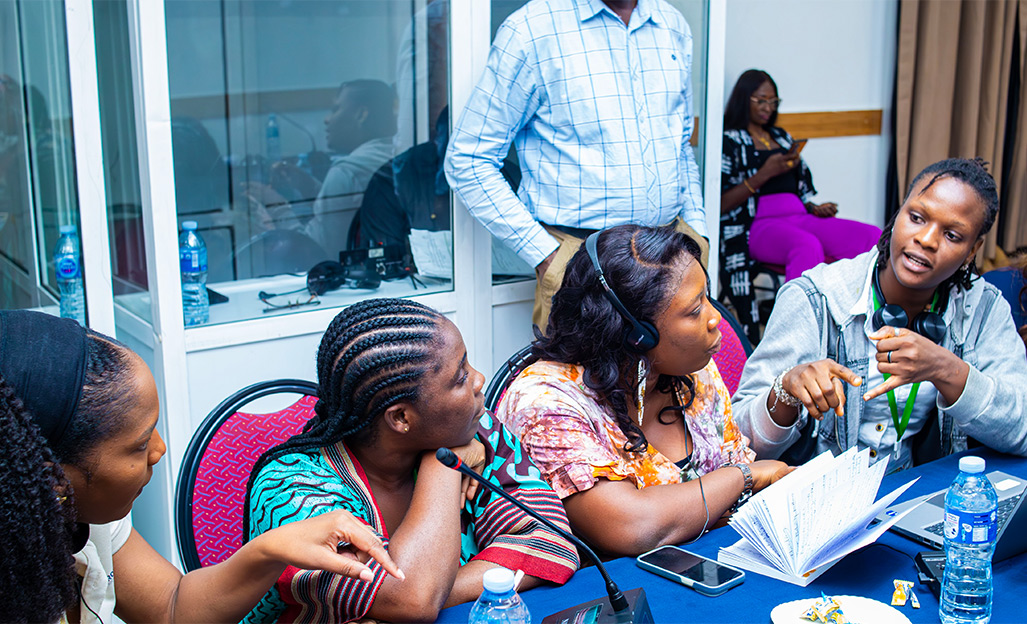
Day Two shifted towards application and influence. Sessions addressed the integration of gender into climate and migration policies, policy theories and processes, strategic engagement, advocacy and influence for change, and personal, inclusive, and transformative leadership. This progression was important because understanding climate mobility alone is insufficient; meaningful responses require individuals who can engage institutions, influence policies, and advocate for affected communities.
Day Three focused on translating leadership into action. The continuation of the leadership module was followed by a session titled “From Leadership to Community Impact,” which sought to connect participants’ knowledge and leadership capacity with practical and sustainable community initiatives.
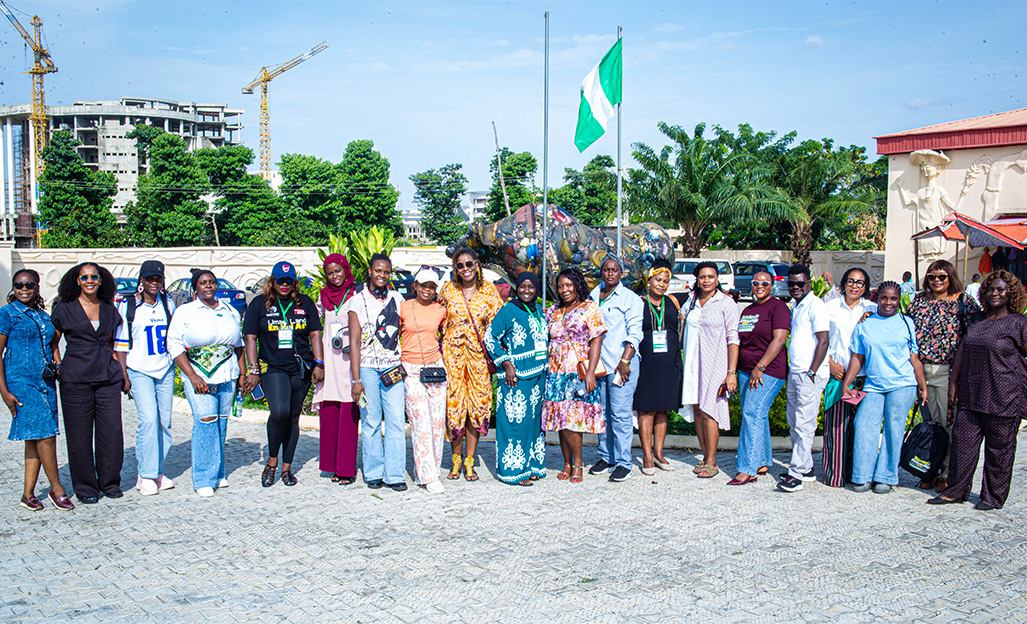
As part of the fellowship activities, fellows and mentors participated in an experiential learning visit to the Nike Art Gallery in Lugbe, Abuja. The visit included a guided tour of the gallery, during which participants were introduced to the background and significance of various paintings, fabrics, and other artworks on display. The visit provided fellows with an opportunity to engage with Nigerian artistic expression and cultural heritage beyond the formal classroom-based sessions.
The guided tour enabled participants to gain a deeper appreciation of the historical, cultural, and creative contexts represented through the artworks and traditional fabrics. The activity also complemented the fellowship’s emphasis on leadership, inclusion, and community impact by providing an informal learning and networking environment for fellows and mentors. Exposure to creative and cultural spaces broadened participants’ understanding of different forms of community expression, knowledge systems, and livelihoods, while strengthening relationships among participants.
The workshop was deliberate in its logical progression from knowledge to influence and action. The agenda did not treat climate mobility solely as an environmental or migration issue. Instead, it integrated climate change, gender, policy, advocacy, leadership, and community impact. This is consistent with the wider GP HMCCC II programme, which recognizes that effective responses require climate-resilient, gender-responsive, and conflict-sensitive approaches.
The strong emphasis on gender was particularly appropriate. Climate-related mobility does not affect all groups equally, and existing inequalities can shape people’s exposure, vulnerability, ability to move, and access to decision-making processes.
The three-day capacity-building workshop represented an important component of the Women’s Fellowship on Human Mobility in the Context of Climate Change. Its progression from understanding climate mobility and gender to policy engagement, advocacy, leadership, and community impact provided a strong foundation for developing women leaders capable of contributing to climate-resilient and gender-responsive solutions.
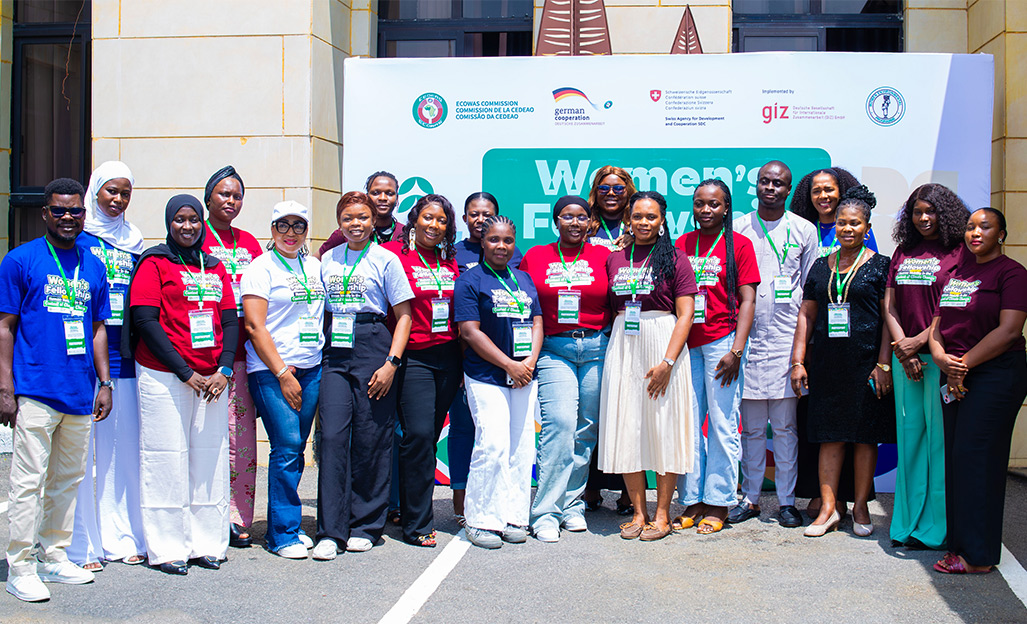
The longer-term success of the workshop, however, will depend on what happens after the training. As mentorship continues and fellows prepare to implement research and community projects addressing climate-induced human mobility, there is optimism that the fellowship will translate into meaningful policy and community-level impact.
Fellows and Mentors of the Women’s Fellowship on Human Mobility in the Context of Climate Change
Fellows
Ndobu Grace (Nigeria); Kombeh Jobe (The Gambia); Rachael Ackah (Ghana); Anita Conteh-Kargbo (Sierra Leone); Kulubo Nyamahlorpu Koquoi (Liberia); Khadidjath Ketekoure (Benin); Marie-Ange Saleye (Côte d’Ivoire); Binta Sall (Senegal); Yénu-naan Pélagie Kangnao (Togo); Fatoumata Binta (Guinea); Zuleika Rodrigues (Cabo Verde); and Frances Carvalho (Guinea-Bissau).
Mentors
Rachel Gyabaah (Ghana); Salamatu Baba Tunzwang (Nigeria); Allado Senya Sakina (Togo); Djetouan Kaurathma Thérèse d’Avila (Côte d’Ivoire); and Marisa Nicolai (Guinea-Bissau).
By Halima Bukar
WEP Intern, She Leads Green Jobs Fellowship