GLA2 Project: Ebonyi Women Reduce Firewood Cooking Dependence
For decades, there is no doubt that women in rural communities cooked with firewood in small, poorly ventilated kitchens and women in Ohatekwe-Edda and Okposi are no exception. The thick smoke filled their lungs and eyes, causing persistent coughing, dizziness, and respiratory infections that quietly claimed lives.
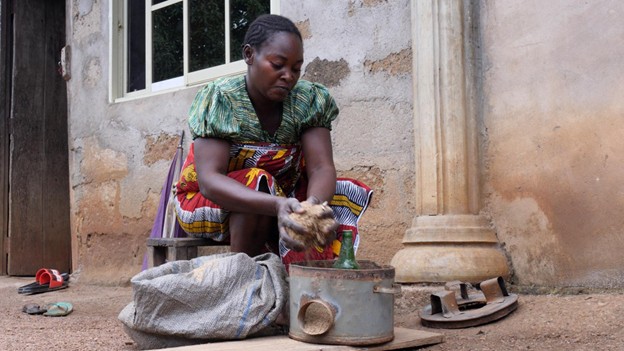
For mothers like Mrs. Chika, a farmer, mother of four, cooking was a daily struggle. “Before, my children coughed all the time because of smoke,” she recalls. “Cooking was slow, stressful, and sometimes my eyes would burn and tear, which makes me lose sleep.”
That reality is beginning to change through the Green Livelihoods Alliance (GLA2) Project, implemented by the New Neighbourhood Environment Watch (NEW) Foundation with support from the Women Environmental Programme (WEP). The initiative introduced fuel-efficient and alternative stoves to households in these communities in Ebonyi State, where firewood cooking is predominant, drastically reducing firewood demand while making cooking cleaner and safer.
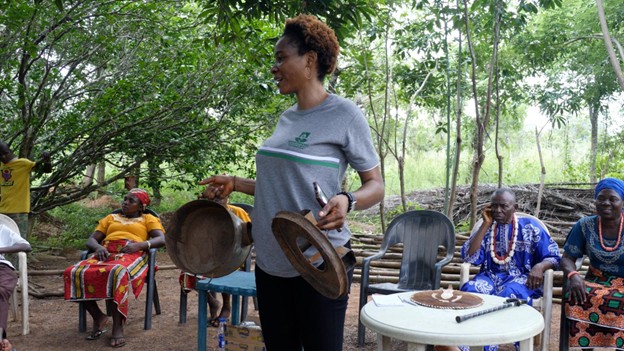
The impact has been profound. According to project data, over 200 women-led households have adopted the improved stoves, reducing firewood consumption by at least 60%. The project has also extended this teaching to women in neighbouring communities. This means less smoke in kitchens, fewer health risks, and a significant reduction in tree felling.
“Indoor cooking with fuelwood is a silent killer, especially for women and children,” explains Cynthia Oru, Gender Communications Officer for NEW Foundation. “With these improved stoves, we are saving lives and saving trees.”
Health research supports what people are already feeling: exposure to wood smoke is strongly linked to acute and chronic respiratory illnesses, impaired lung function, increased risk of pneumonia, and elevated blood pressure. In Sub-Saharan Africa, women and children are especially affected because they spend the most time near open fires or simple biomass stoves.
For women like Mrs. Chika, the difference is personal and life-changing. “Now, cooking is faster, cleaner, and I use less firewood. It has changed my life,” she says with relief. Her children no longer fall ill from smoke; she spends less money and time gathering firewood, which frees her to focus on her small farming business.
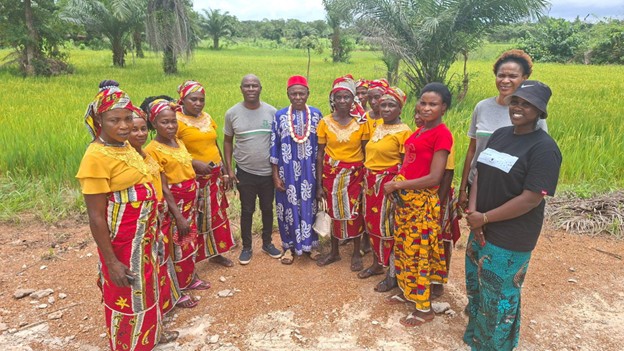
Beyond health benefits, the innovation is tackling deforestation, one of Ebonyi’s most pressing environmental challenges. By reducing dependence on forest wood, the project strengthens local climate resilience and aligns with Nigeria’s National Environmental (Forest Sector) Regulations of 2014, which emphasize sustainable forest management and discourage indiscriminate harvesting of wood.
Okereke Doris Chikodili, Director of Susew Human Development Foundation (SHDF), sums up the bigger picture: “When women switch to clean stoves, we protect not just their health but also the forests that sustain our communities. This is a step toward sustainable living for all.”
What began as a simple household innovation has become a lifeline for hundreds of families. With healthier women, stronger forests, and reduced carbon emissions, the GLA2 project is proving that small shifts in daily living can drive lasting change.